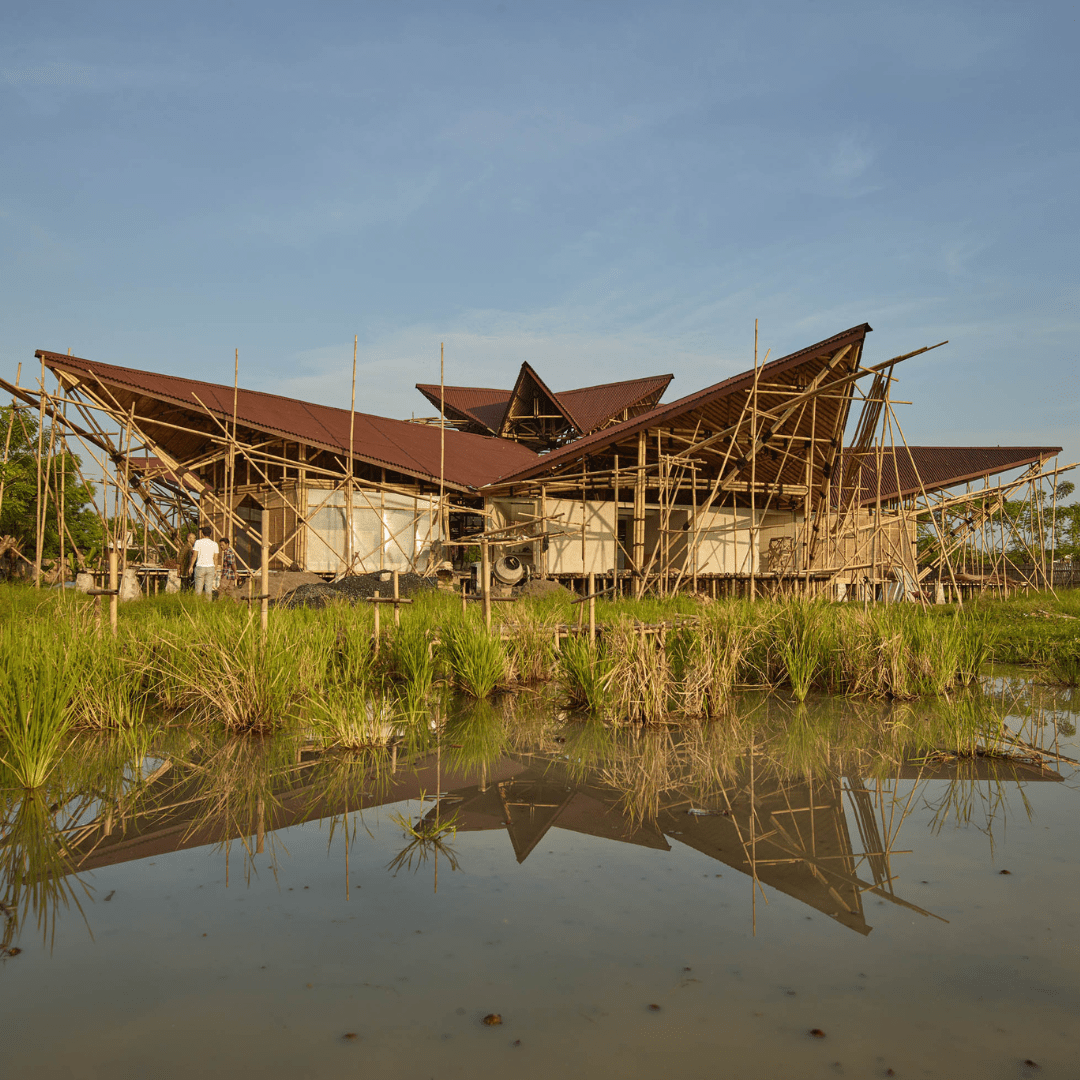
The School of Alfa Omega’s workshop building, as the second phase of the school’s development, is an attempted response to support educational needs in collaborative environment, uniting architectural design and alternative educational initiative to promote an open, creativity-driven pedagogy. From a holistic perspective, traces of rigid educational culture are still common and are the byproduct of varying elements from the post-colonial situation, often reflected in students through lack of participation, favoritism, and the suppression of creativity and critical thinking. These issues, rooted in a post-colonial legacy, inspire to rethink a new spatial and better pedagogical approach.
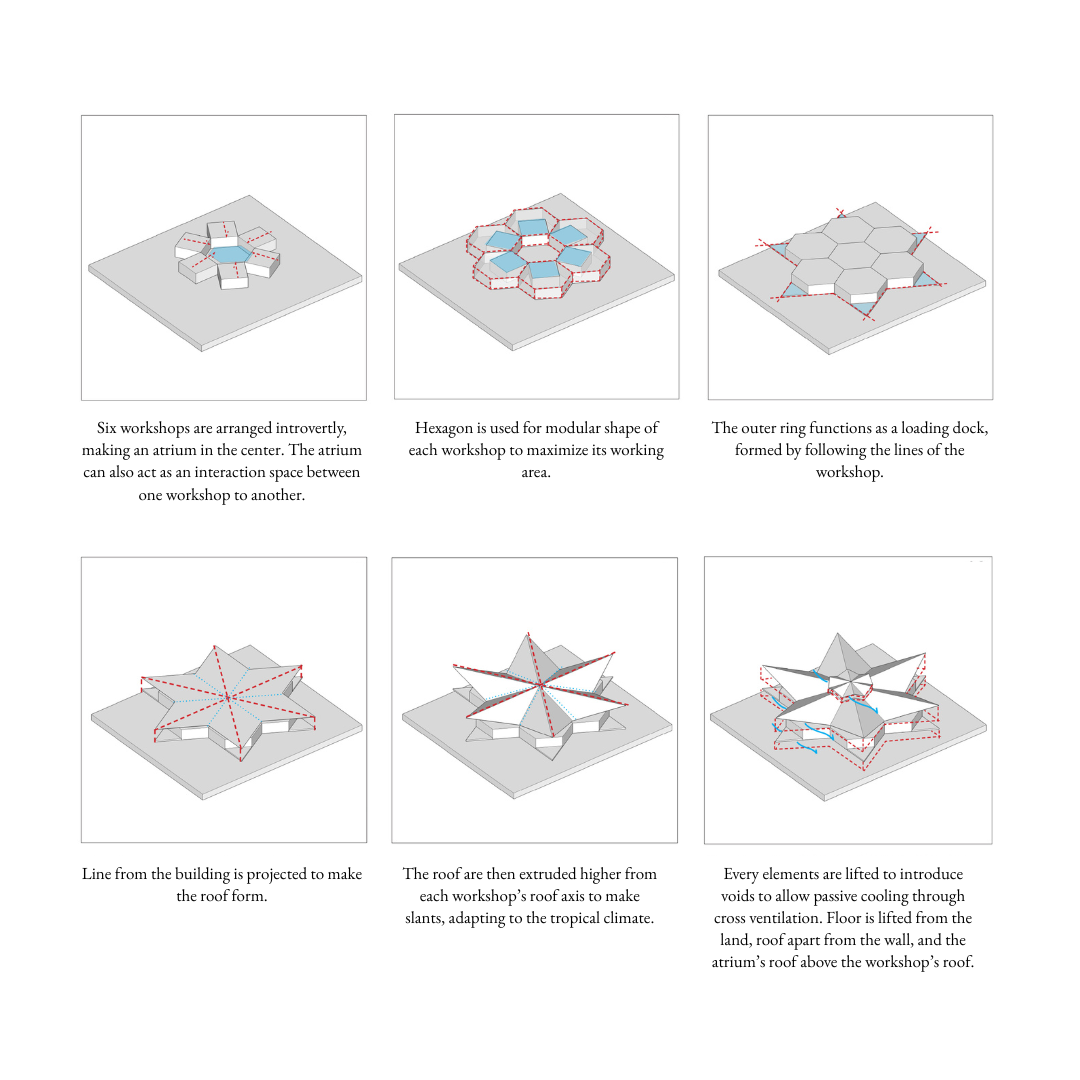
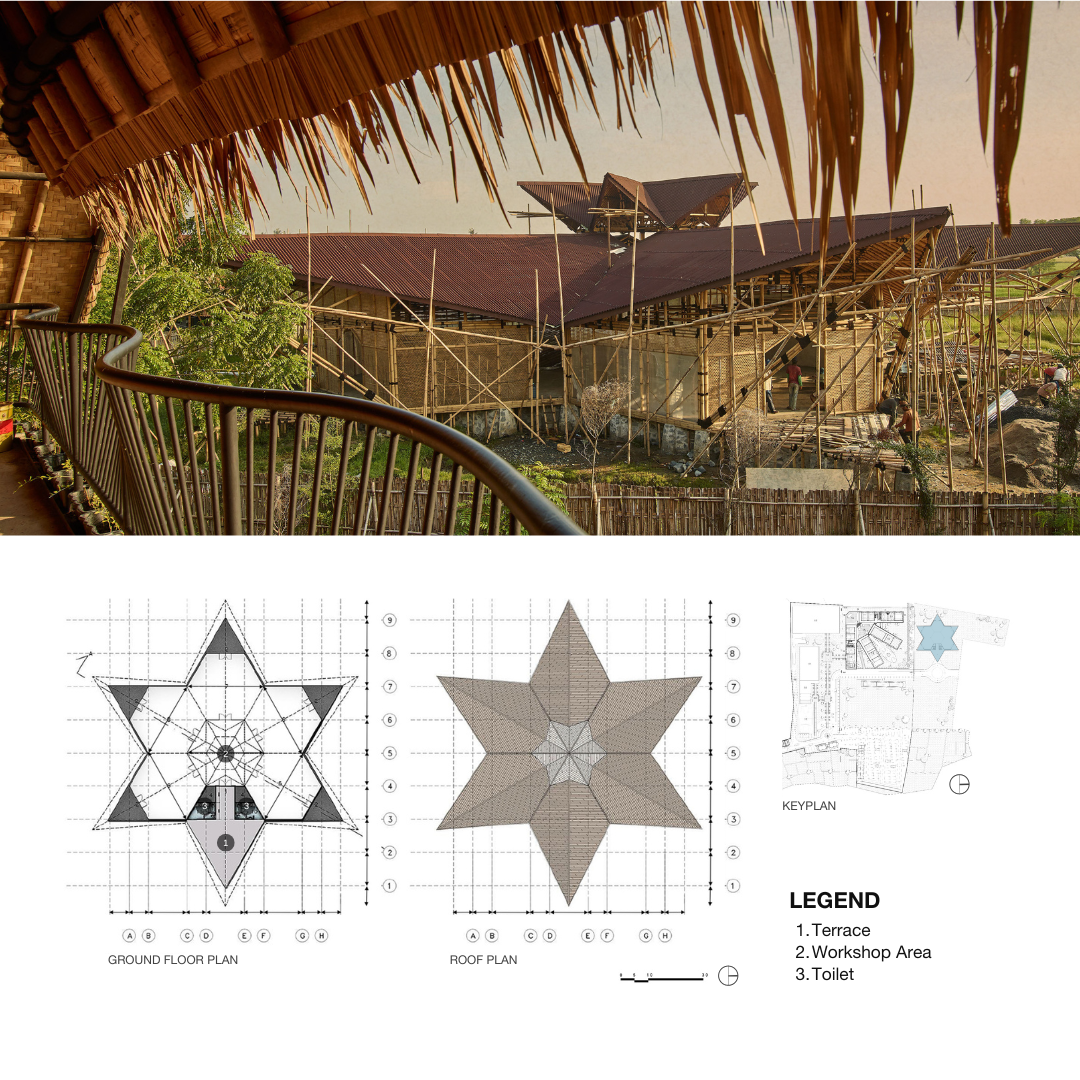
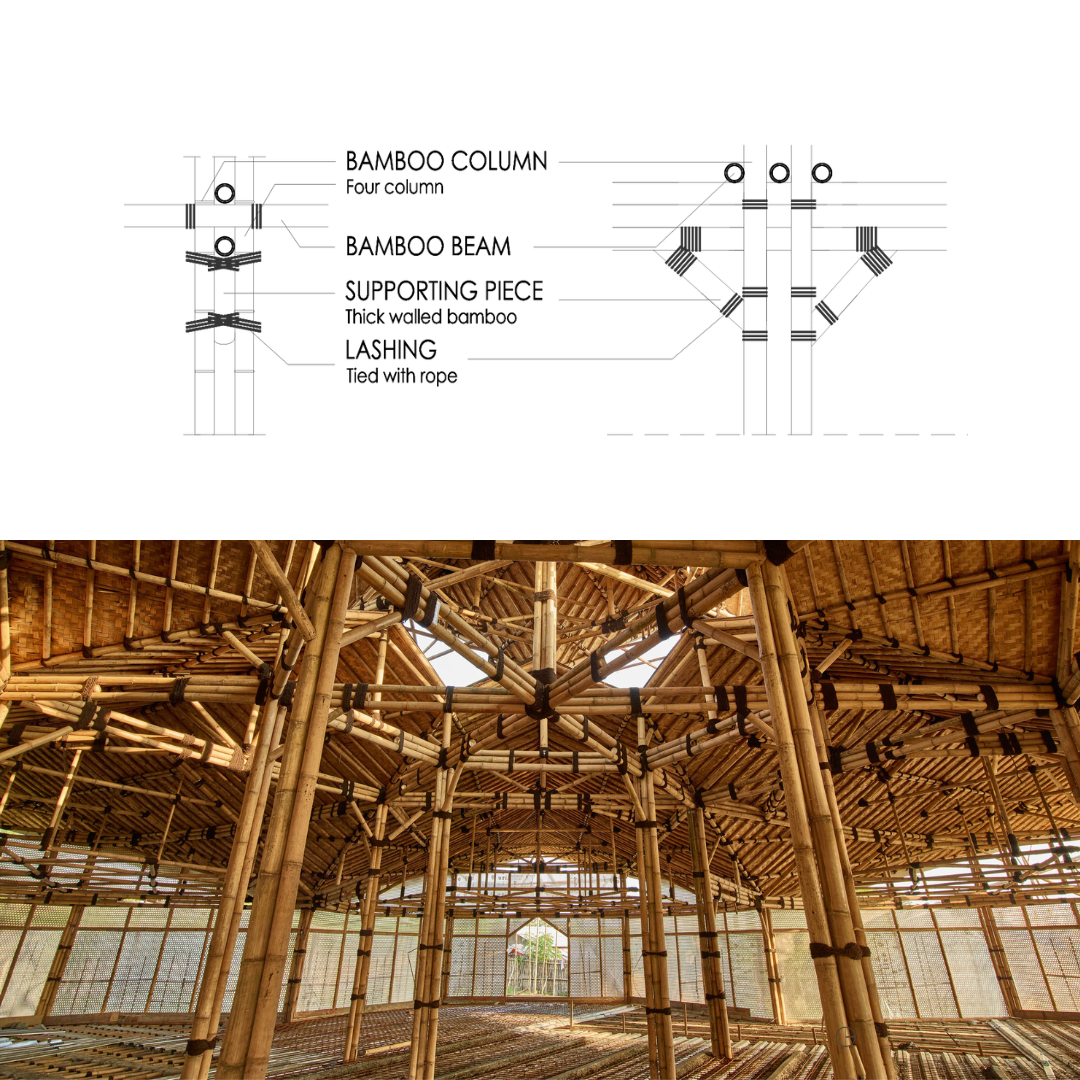
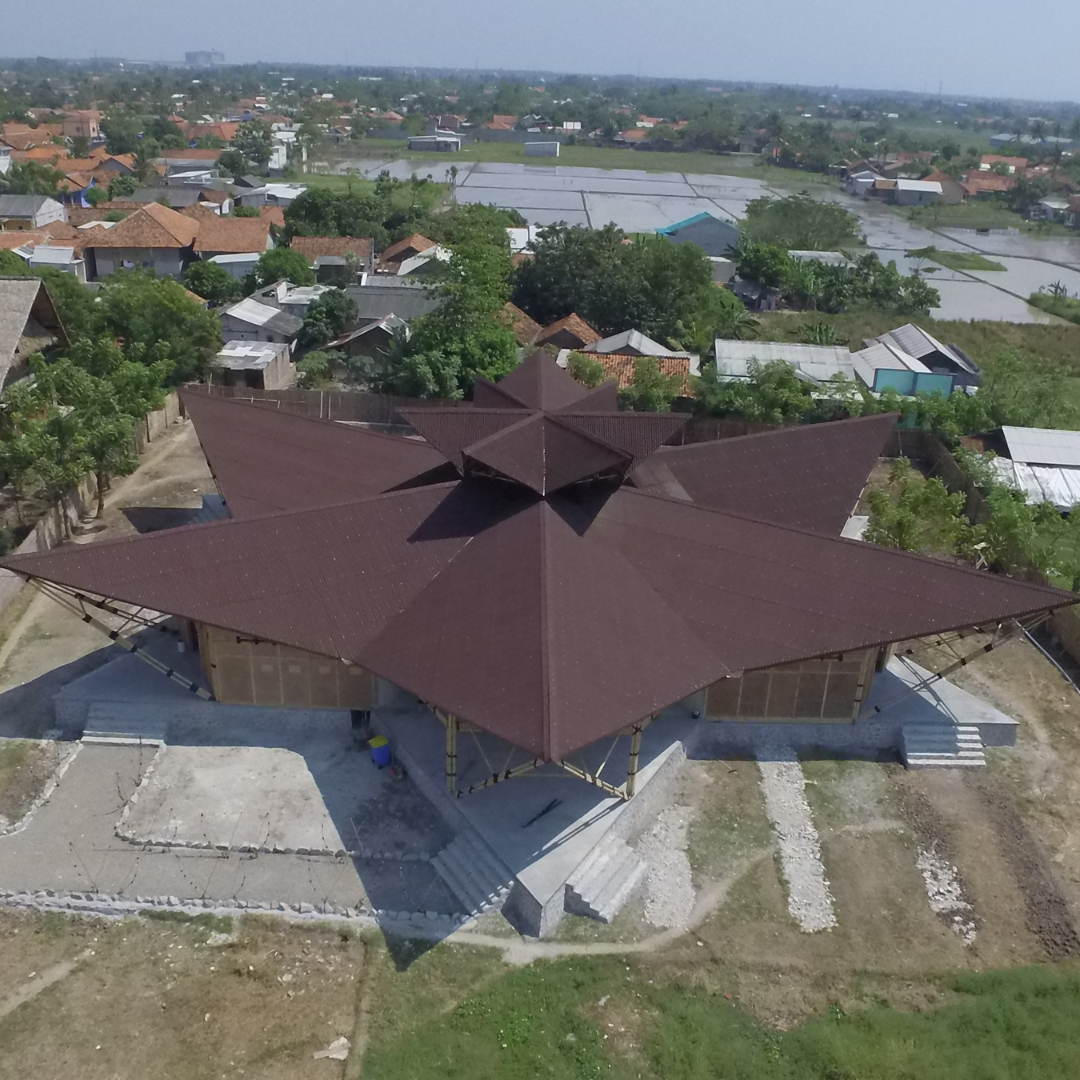
The new building serves as a multifunctional space, primarily for student workshop activities as part of the school’s initiative in direct collaborative education. Its star-shaped form reflects a break from rigid planning, emphasizing openness and connectivity, with a central atrium maximizing interaction. Six inward-facing rooms complete the program, all linked to the central atrium as the pivotal space and each used for different types of student workshop that includes timber, bamboo, metal, plastic, and clay workshops. The design is then guided by four main principles: connectivity, responsiveness to tropical climate, bamboo tectonics and sustainability, and adaptable function.
Client: @alfaomegaindonesia
Design: RAW Architecture – @realricharchitectureworkshop
Structure Engineer: Singgih Suryanto, Amud, and team
Photography by:
1-9 @bacteria.archphotography
10 @indonesiacreativemedia
#realricharchitectureworkshop #RAWarchitecture #architecture #design #architecturaldesign #architecturedetails
#bamboo #naturalbuilding #alfaomegaschool #school #bamboobuilding #tangerang #tropicaldesign #schooldesign
RAWCaseStudy01
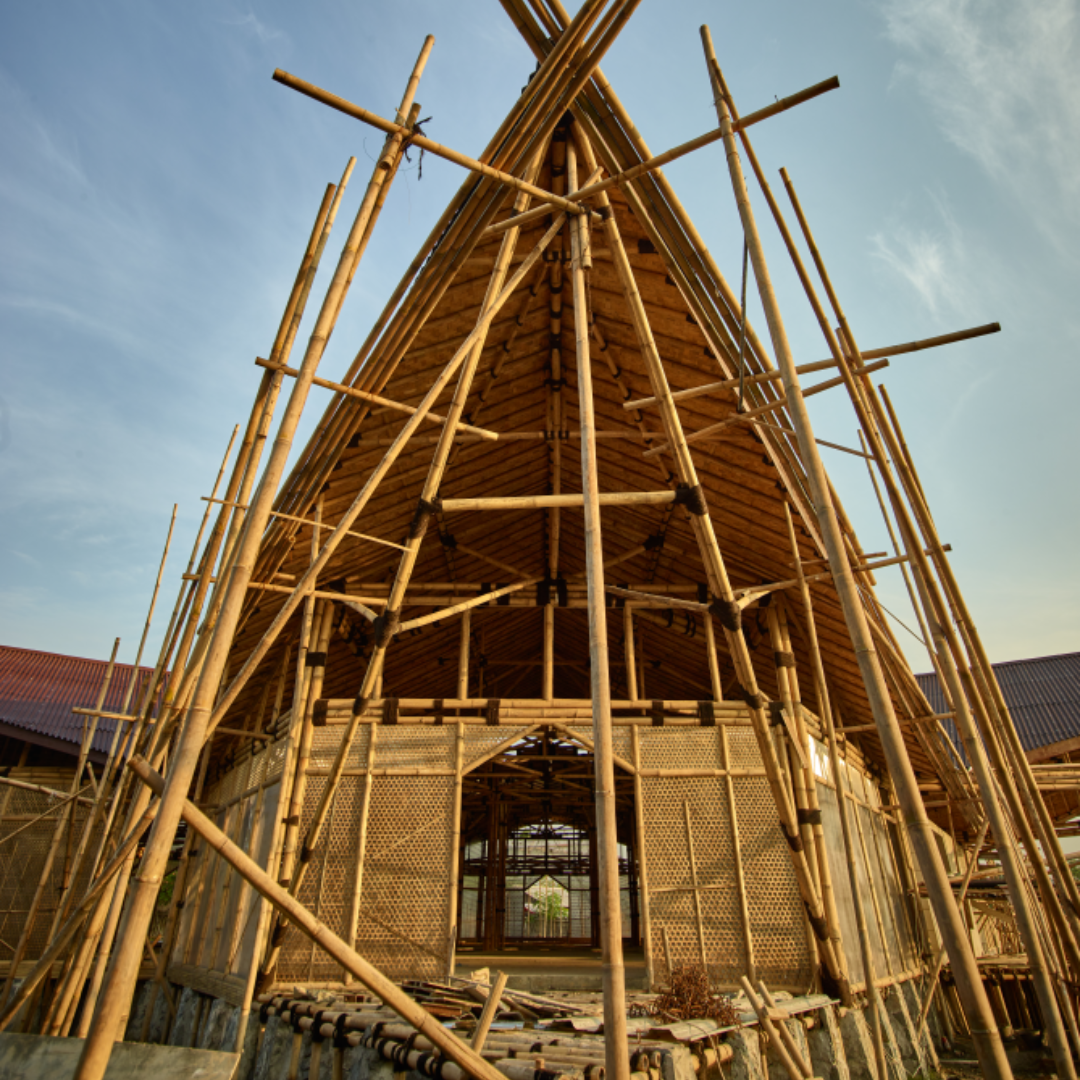
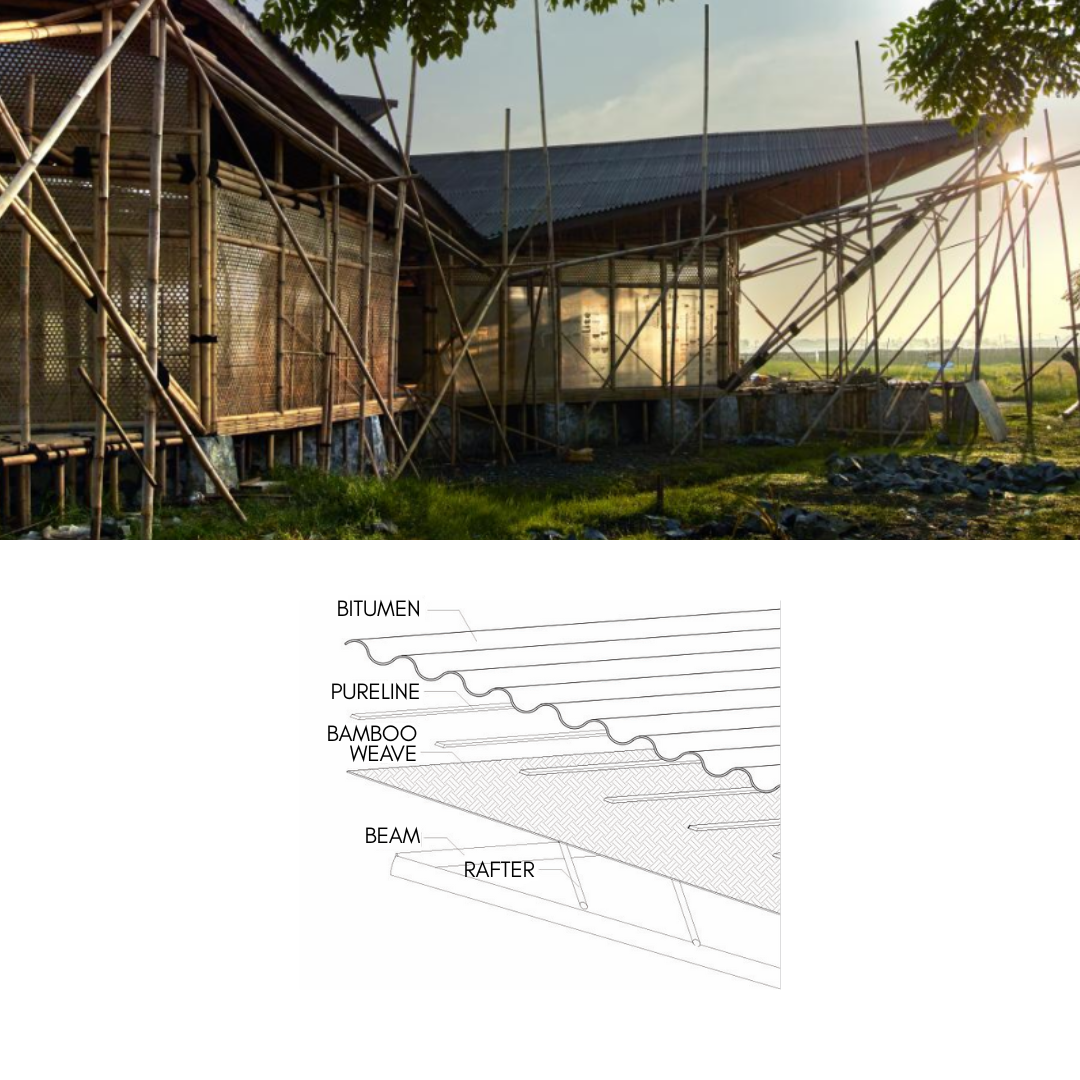
To reinforce the school’s vision of closeness to nature and local wisdom, bamboo was again chosen as the primary material. The structure was developed through collaboration between designers, craftsmen, and school staff, showcasing craftsmanship and experimentation. Elevated above the ground to respond towards the existing flood threat, the slanted roof responds to climate needs, with flooring made from bamboo and concrete layers. The walls combine traditional “gedhek” weaving and polycarbonate for ventilation and daylight, while the wind tunnel created from raised central roof enhances cross-ventilation.
The Workshop supports the holistic spirit to embody an alternative educational model: one that resists inherited rigidity and encourages independent, critical, and imaginative thinking through space that is close to nature and locality.




 My Mayonnaise Jar