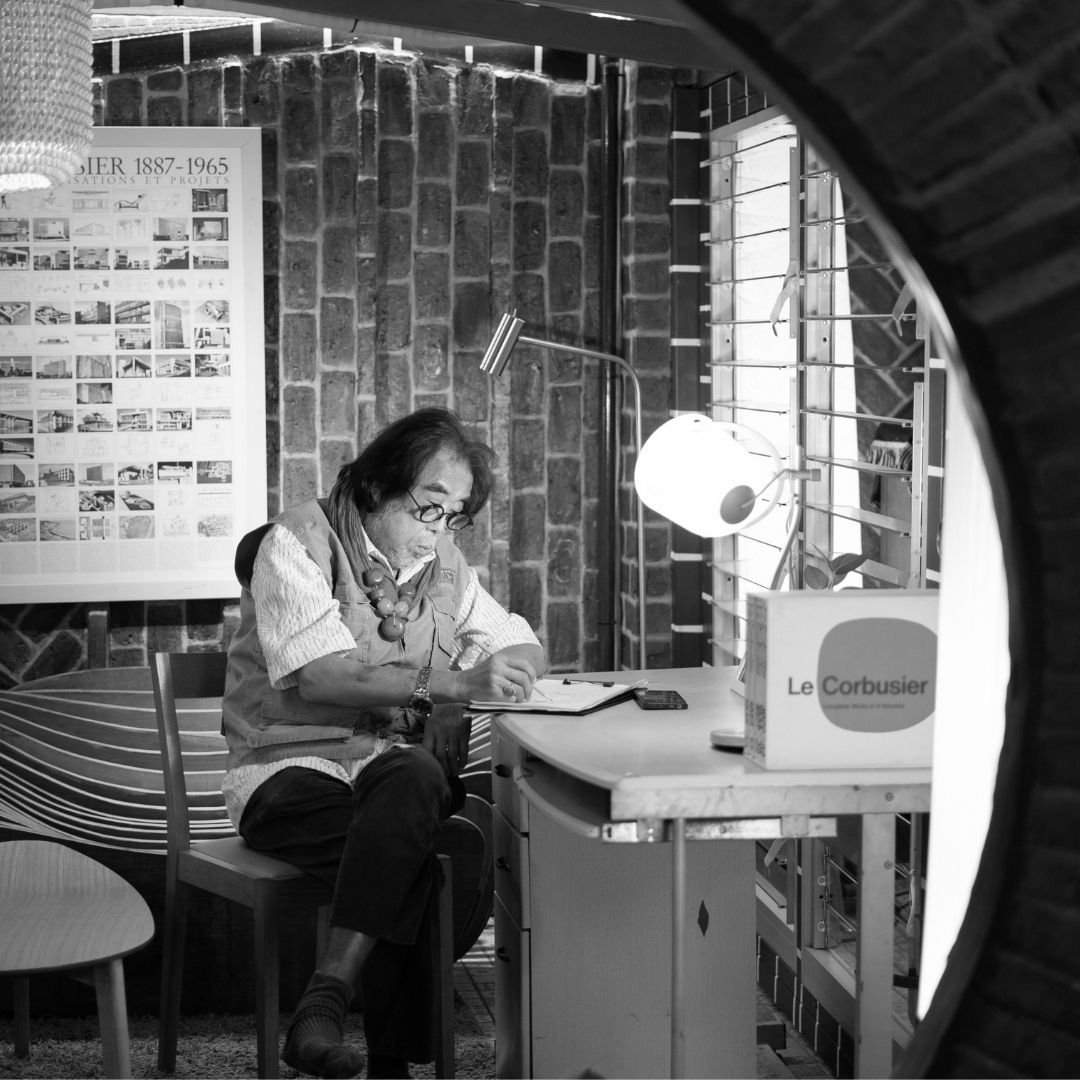
These past few days I have been very sad. On Tuesday I had just finished discussing the final pages of Jimmy Lim’s book and was about to call him when the news came. He passed away on Monday, 28 September 2026, at 82. I knew him closely for the last 2 years, and my children knew him as Uncle Jimmy.
I first knew his name from our research on Malaysia, through the Aga Khan Award for the Salinger House in 1998, and I got his number from Veronica Ng. At Datum KL 2024 he picked us up himself, me and my family, and gave us 2 days of lunches and dinners together with Agnes, his lead architect, the one he told me, more than once, would carry the spirit of his studio forward. Over lunch I felt I was sitting with my grandfather from Samarinda, Borneo. Their faces looked alike.
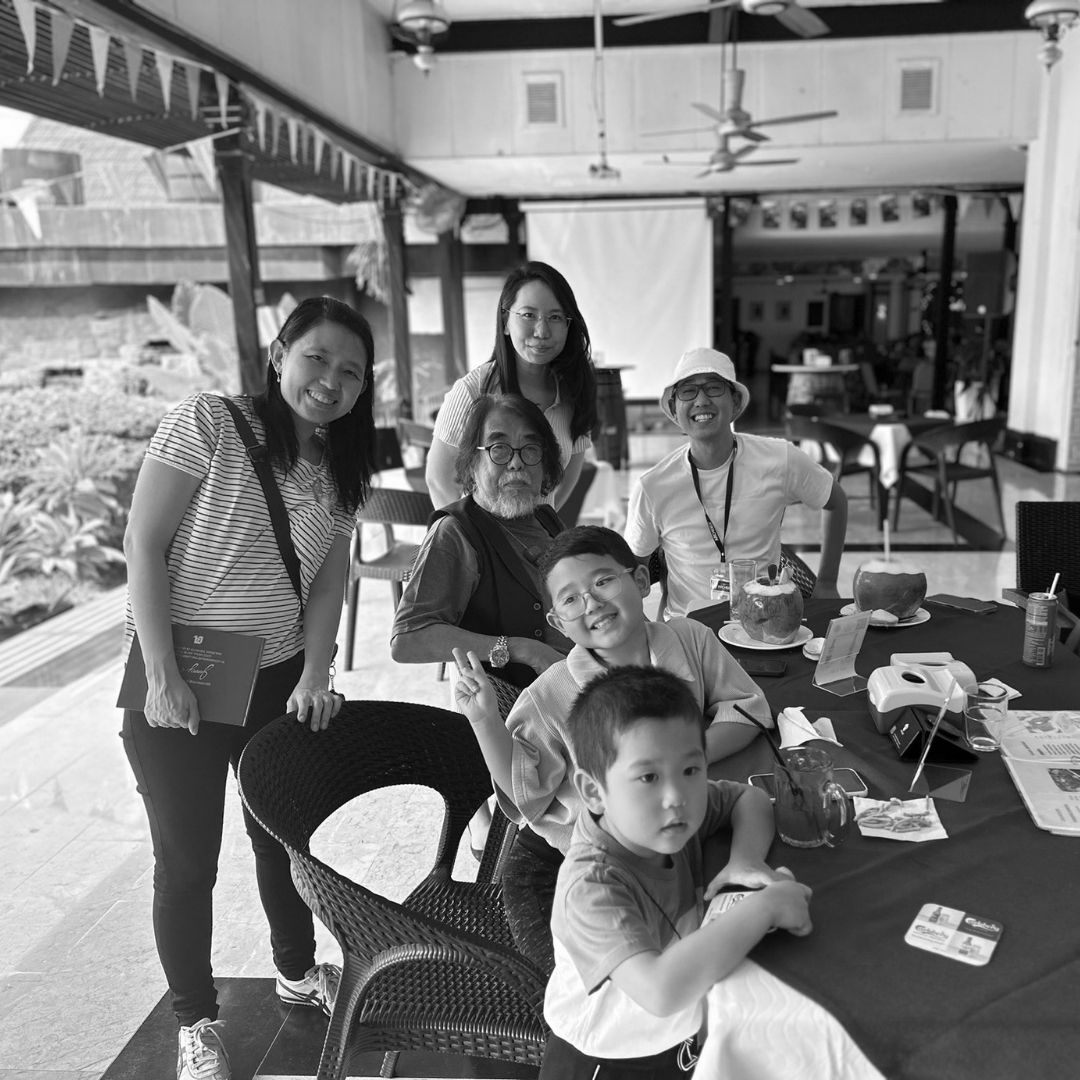
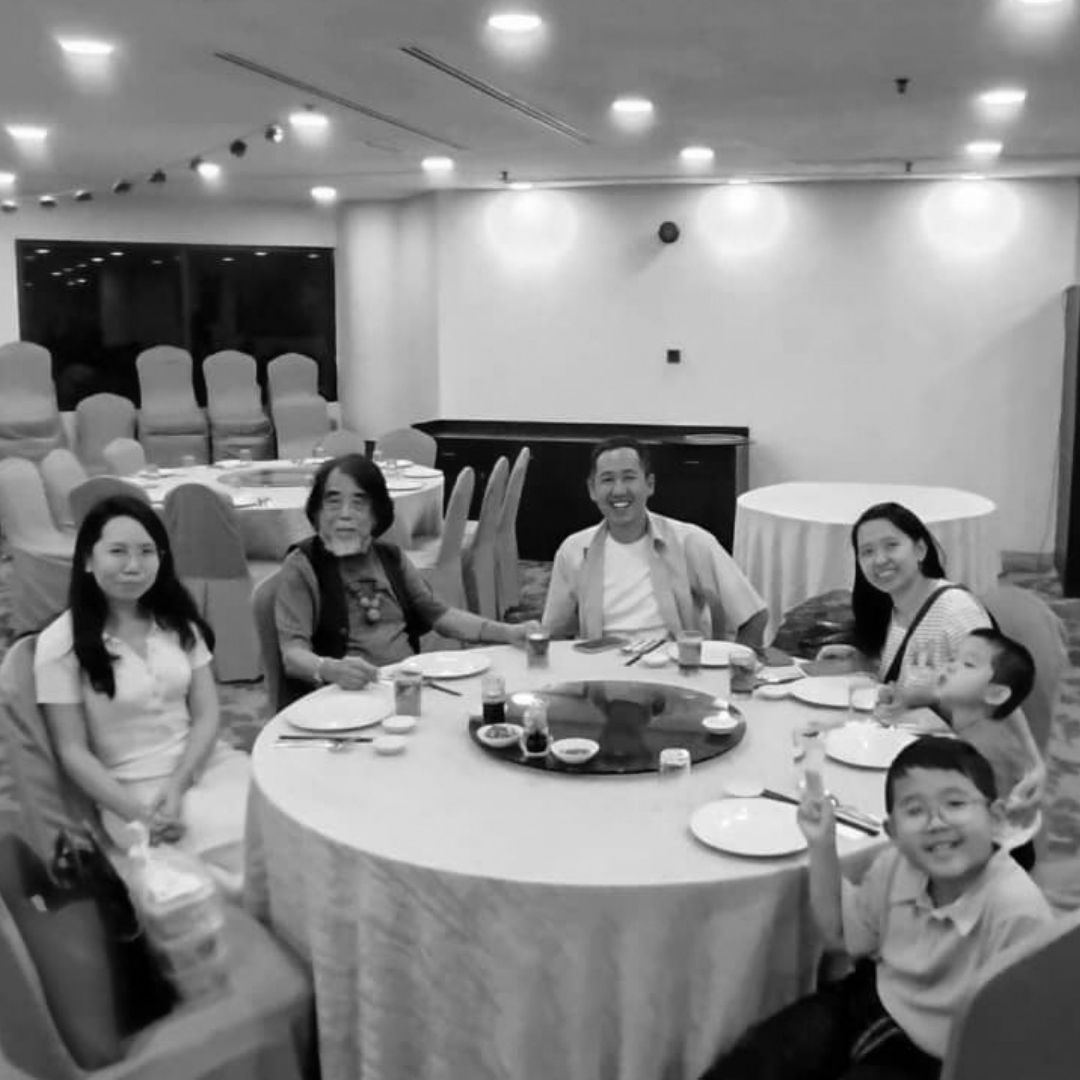
He was a sensei to me, in the way children who watch Naruto understand the word. He kept opening doors to other people. He once told me about Prasanna Morey of PMA Madhushala in India, whose work is load-bearing architecture, walls that carry the building. When Prasanna finally came to Guha a few weeks ago, the connector was Jimmy. Prasanna is a refined architect and I learned from his heart as much as from his drawings. Jimmy’s circle worked like that. You entered it and found others already there.
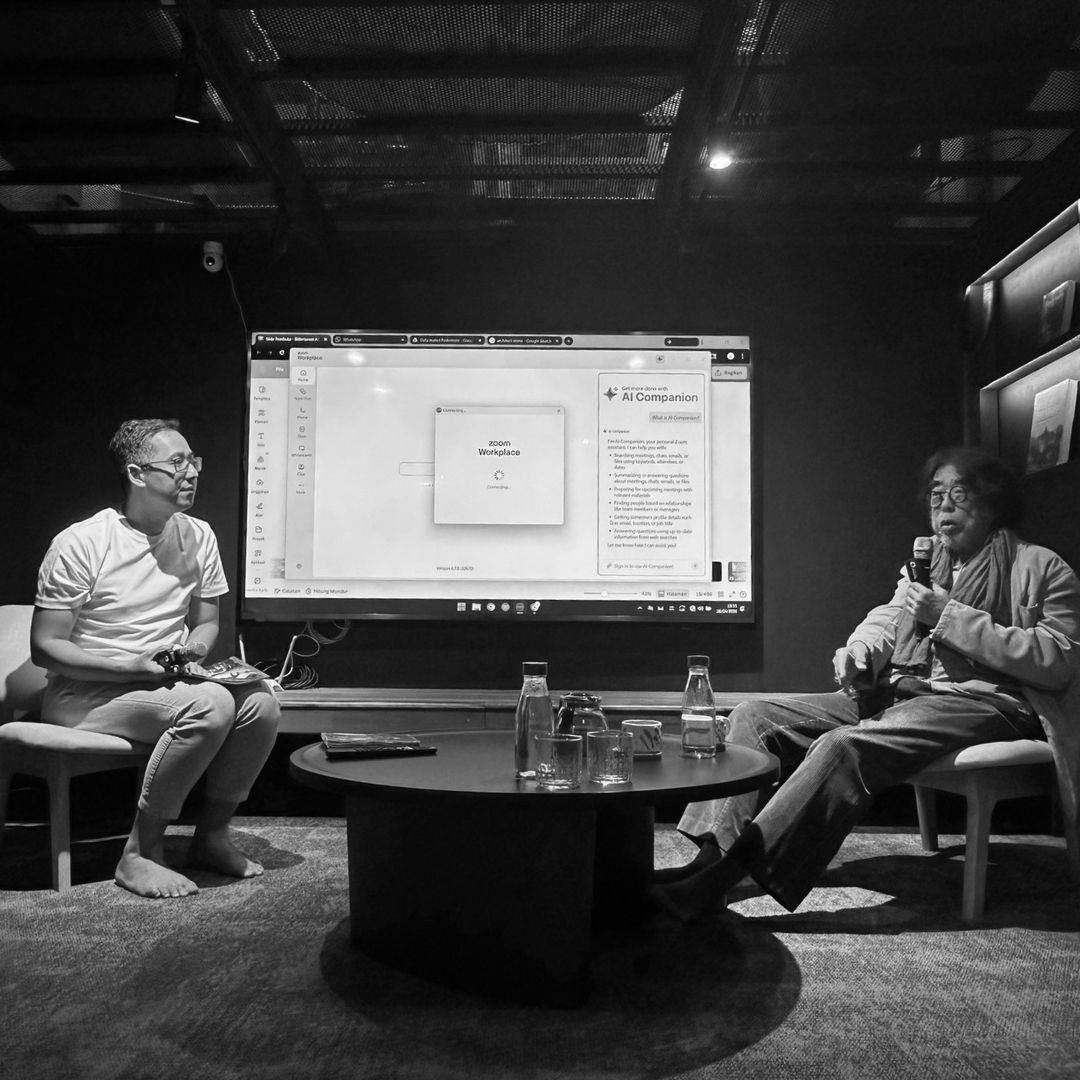
5 months ago I picked him up at the airport in Jakarta, and we talked on the way. I asked him why he had come. To support some young colleagues, he said, who were exhibiting in Jakarta as part of Malaysian Architecture Weeks. Past 80, flying in for someone else’s show. I went to that exhibition and stayed to discuss, something I rarely do, because of his heart.
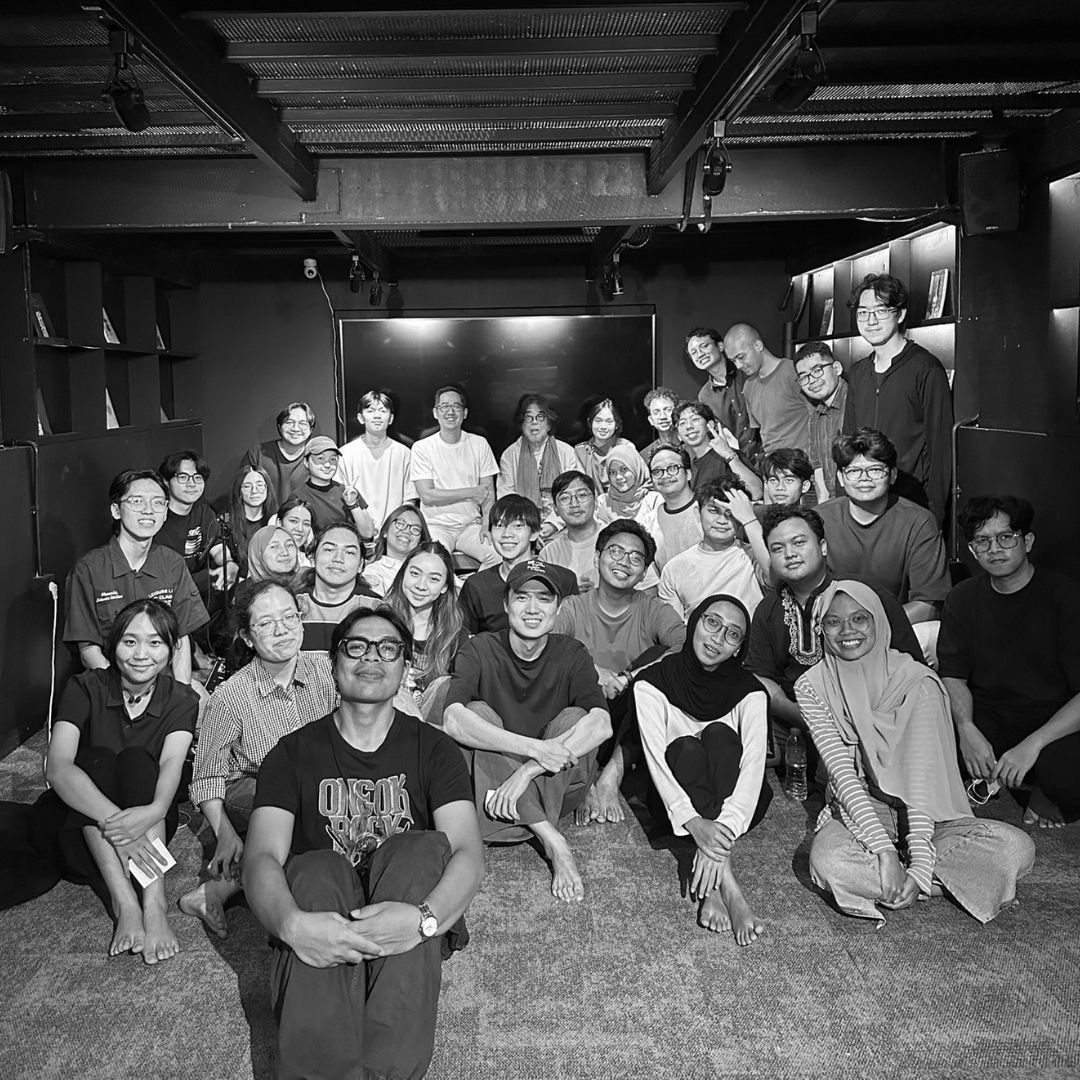
He stayed almost a week at Guha. He even shared his experience at Omah Library, in an Arsitektur Mumpuni session. He watched me design and watched us coordinate, and sometimes he played the piano. I would stop working and film him. He loved cabbage. He loved long conversations, about postcolonial struggle, about tradition, about how to handle a crisis. He looked closely at my son. He looked at the way I work and told me to take care of my health. He talked about his weaknesses more readily than his awards, as a human, as a family man, as an architect. He spoke about his son with pride. Remembering moments like these, my tears fall. It felt like my father watching me work, and that is why his leaving made me so sad.
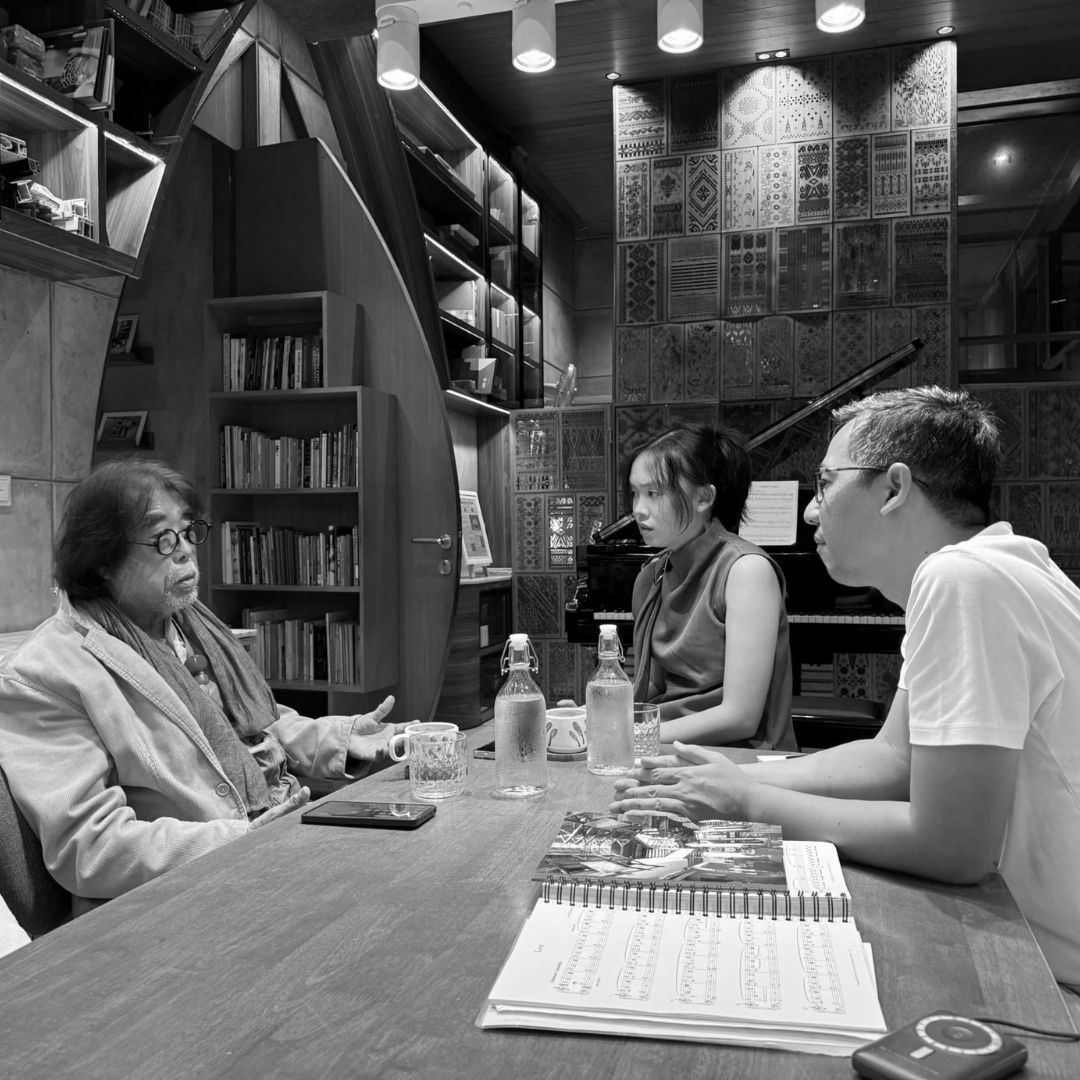
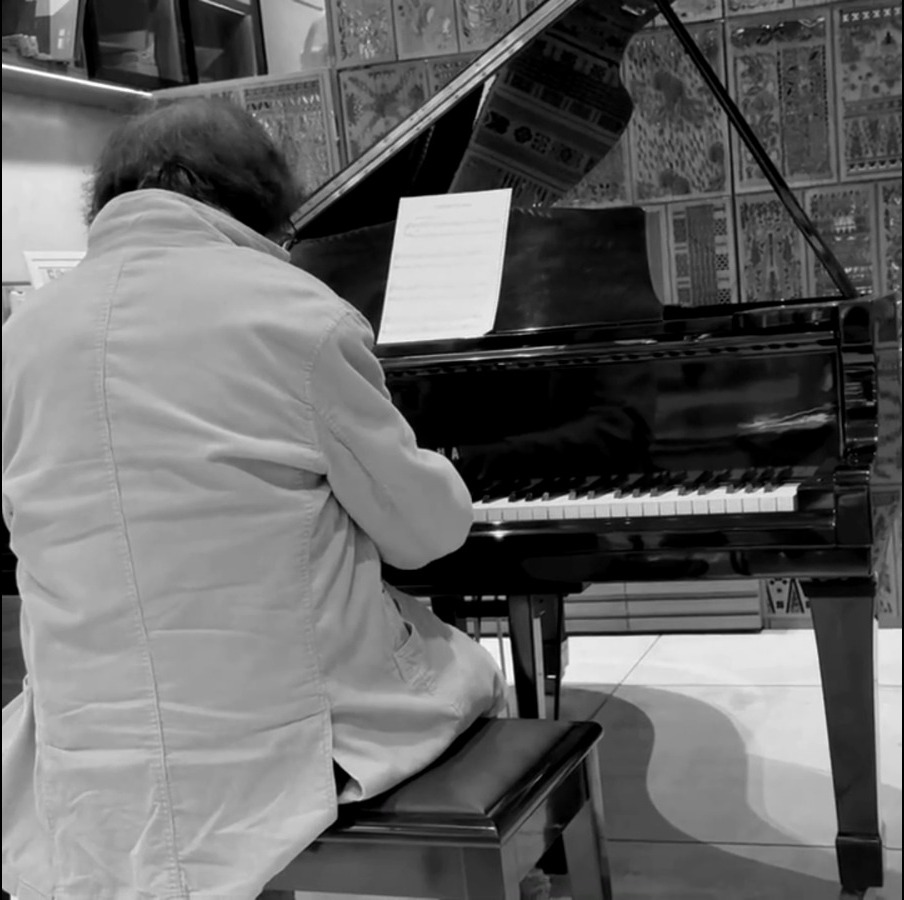
When I look at his design, I recognise something similar to his piano. Details repeat into patterns, the patterns make a microclimate, and none of it holds without a consistent axis, a grid, an understanding of the whole structure, and the patience to listen to a client. What puzzled me were the paradoxes. Some of his later work argues against the methods he built earlier. I read that as an exploring spirit, a man still unfinished past 80. Oppositions of things, in harmony. I have a name for the technique. Fragmen, after the piano piece Jaya Suprana composed in 1984, gamelan played on a contemporary piano (here played by Levi Gunardi). It runs in 2 sections, a Sundanese pentatonic scale with degung drum rhythms carried by the left hand, a serene Andante that turns into an Allegro fortissimo. The second section argues with the first, and it is still one piece. Composed piece by piece into one large thing, with its epochs, its rises and its falls. Fragments that only make sense when someone plays them through, from the first gesture to the last.
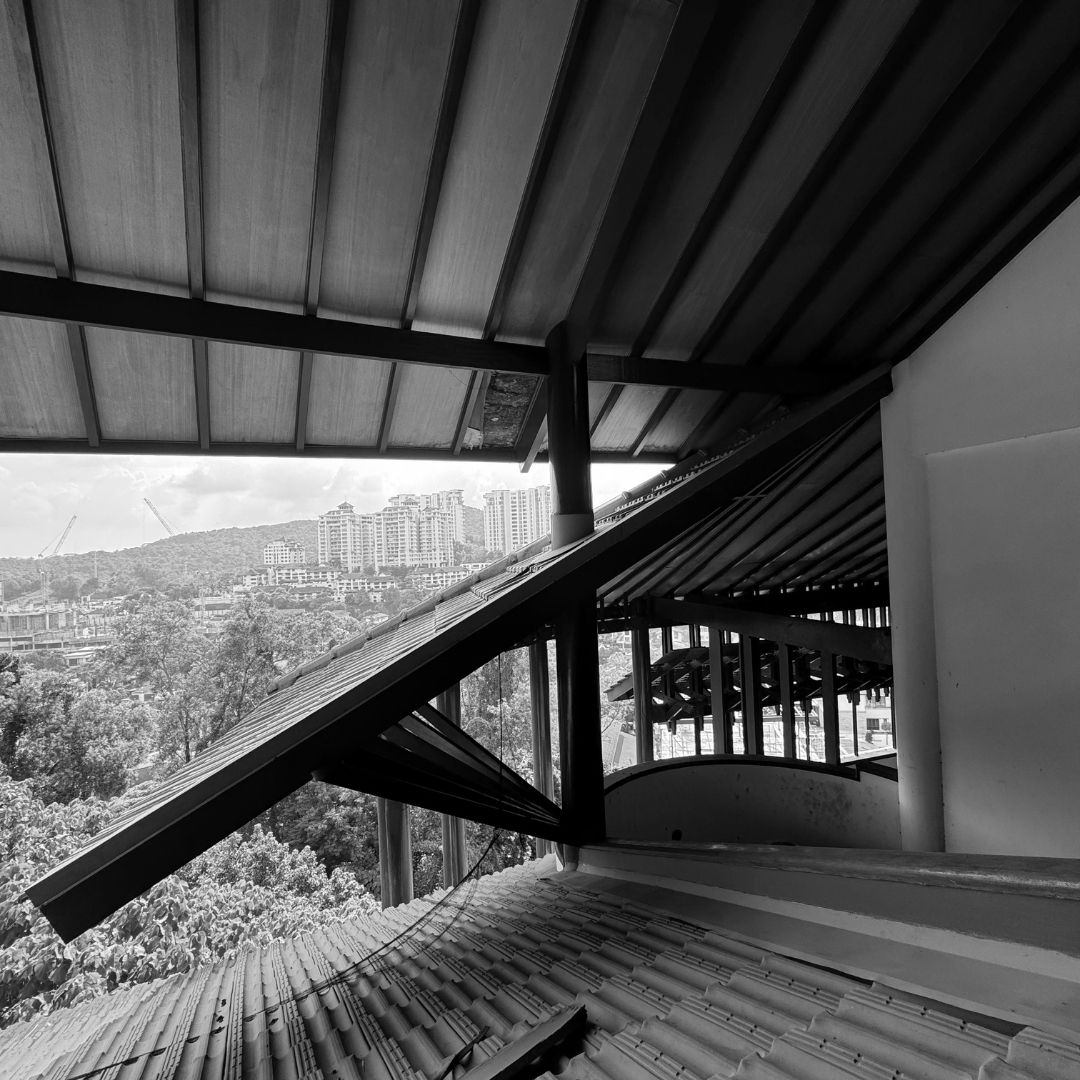
Agnes told me this week that he talked non stop about the books when he got home, and that he gave her one of them, about Kartini, whom she had long admired. She also told me he kept repeating to her what I had said about his work. That surprised me. A man with an Aga Khan Award and a PAM Gold Medal still wanted to be understood. What I had told him was simple. The work of a master is sometimes hidden like a treasure, and it has a blood of its own.
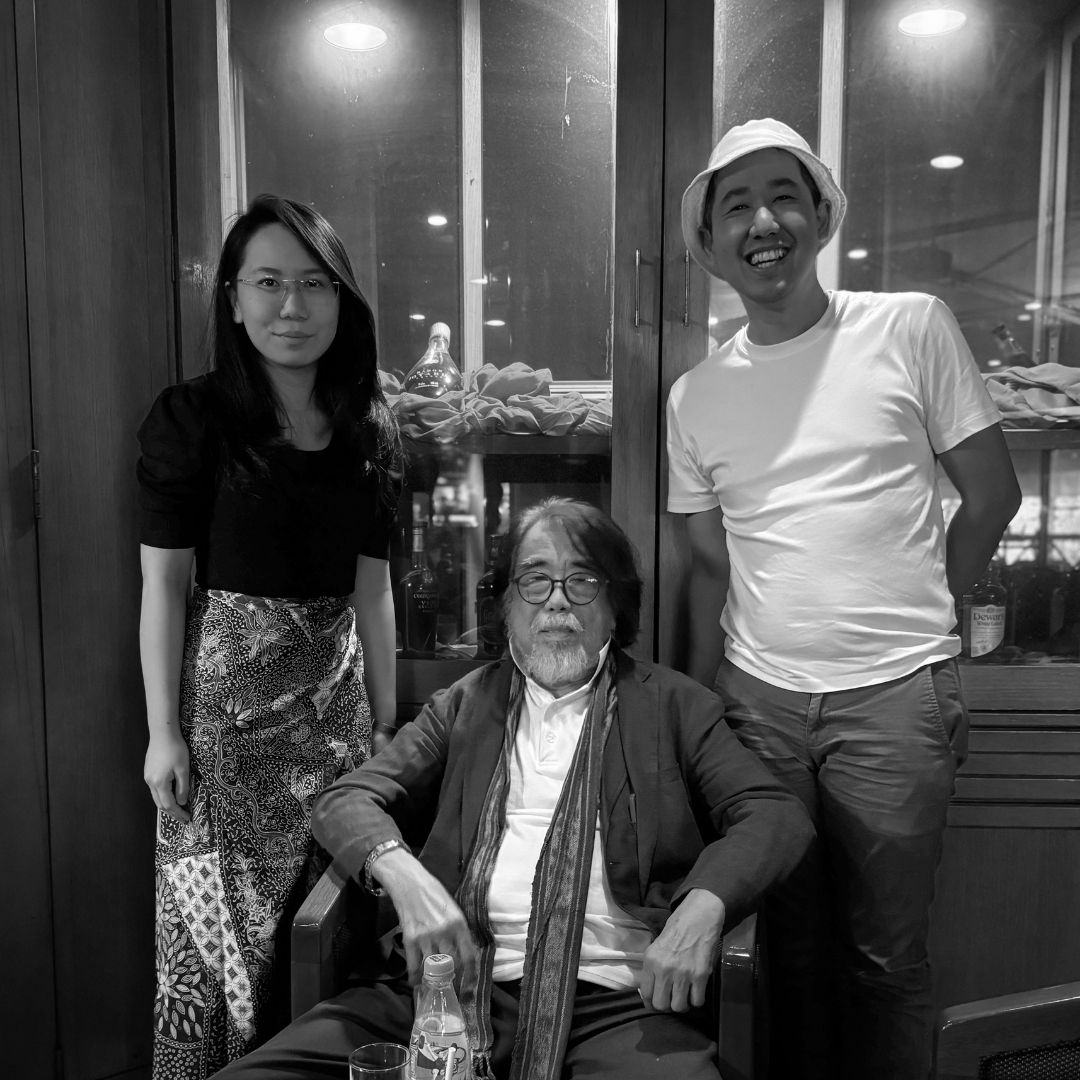
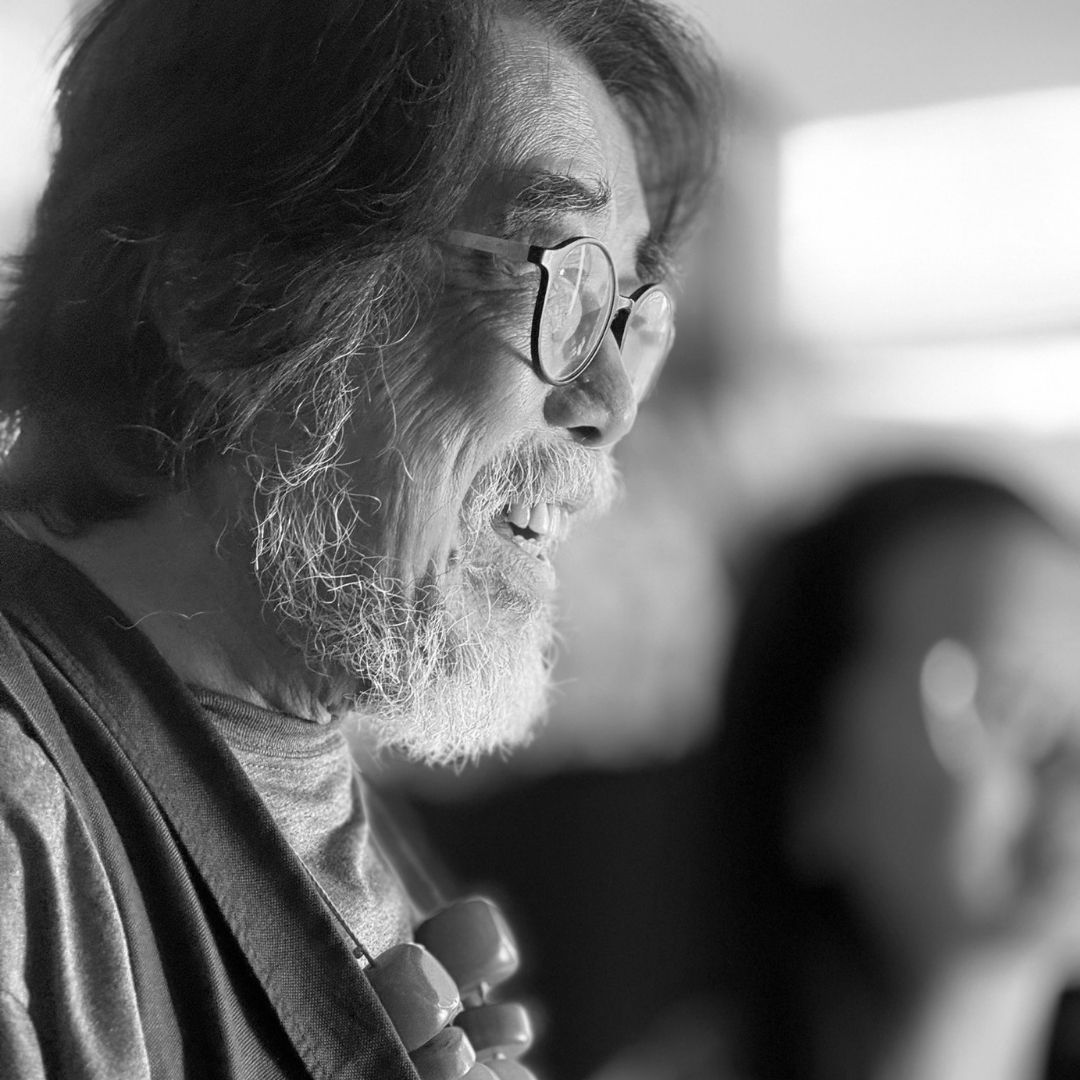
A circle is built slowly, and it feels broken when someone leaves it. I still have the videos of him at the piano here, and he took a picture of me and sent it over. What I watched in him for 2 years reads like the biography of a great one, a genius of the mind and a sensei. Malaysia and Indonesia have never felt closer. I felt honoured to have met him, to have heard him, and to have known him as a person, gifted, a great architect, a warrior. Rest well, Jimmy Lim.
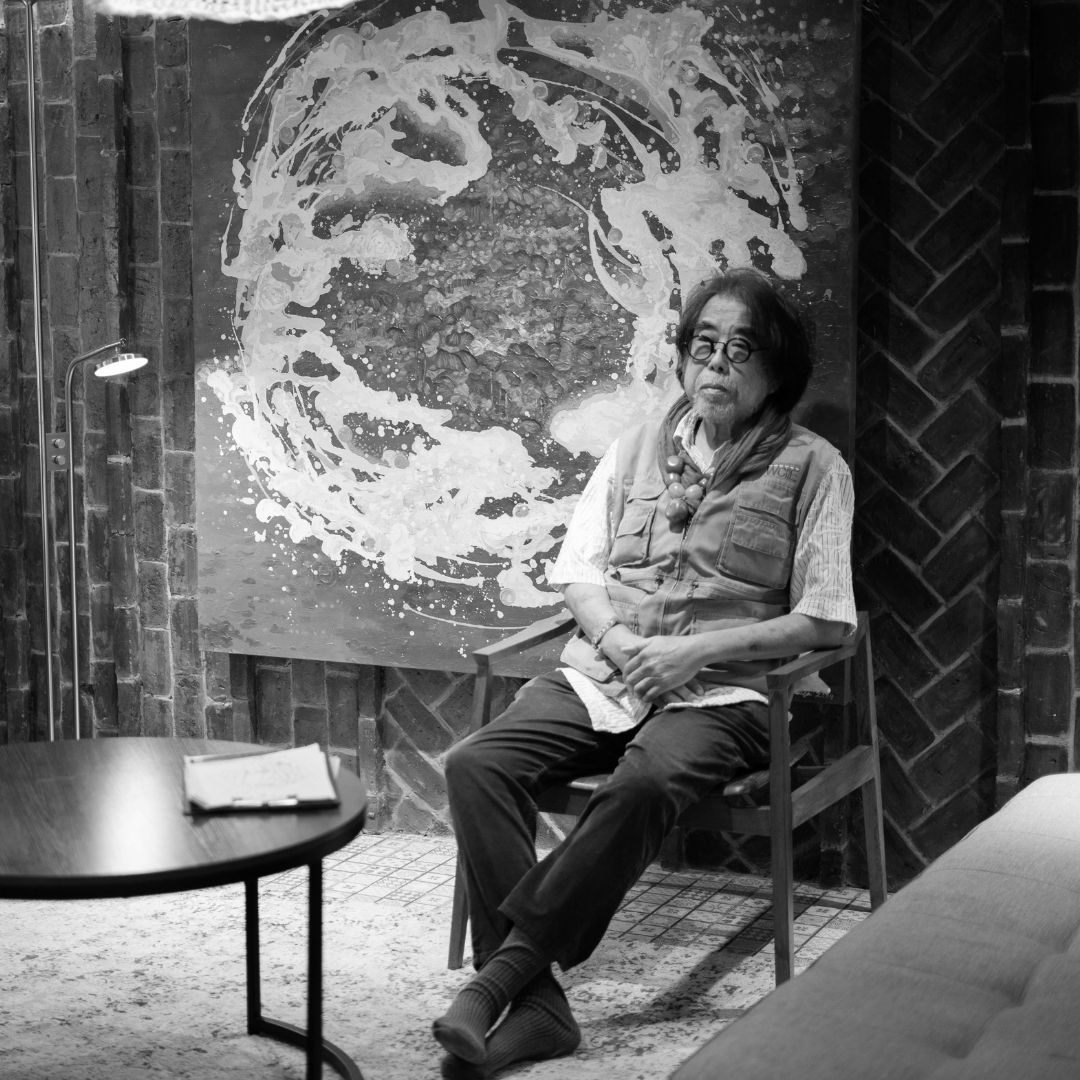
Jimmy Lim Cheok Siang, 1944 to 2026
Jimmy Lim was born in Penang in 1944. At 5 or 6 he followed his grandfather, who renovated houses and once built a bridge, and he later remembered thinking that it looked like fun. At 15 he was sent to Australia. He studied architecture at the University of New South Wales in Sydney, graduated in 1968, and spent 13 years in Australia in all before coming home in 1972.
His first years back were with Projek Akitek, where he was a senior architect from 1972 to 1977. The work from that period included a semiconductor plant for Motorola in Subang, one of the first in the country, the new Indonesian Embassy on Jalan Pekeliling in Kuala Lumpur, and the supervision of the Petaling Jaya civic centre. In 1978 he founded his own practice, CSL Associates, later renamed Jimmy Lim Design.
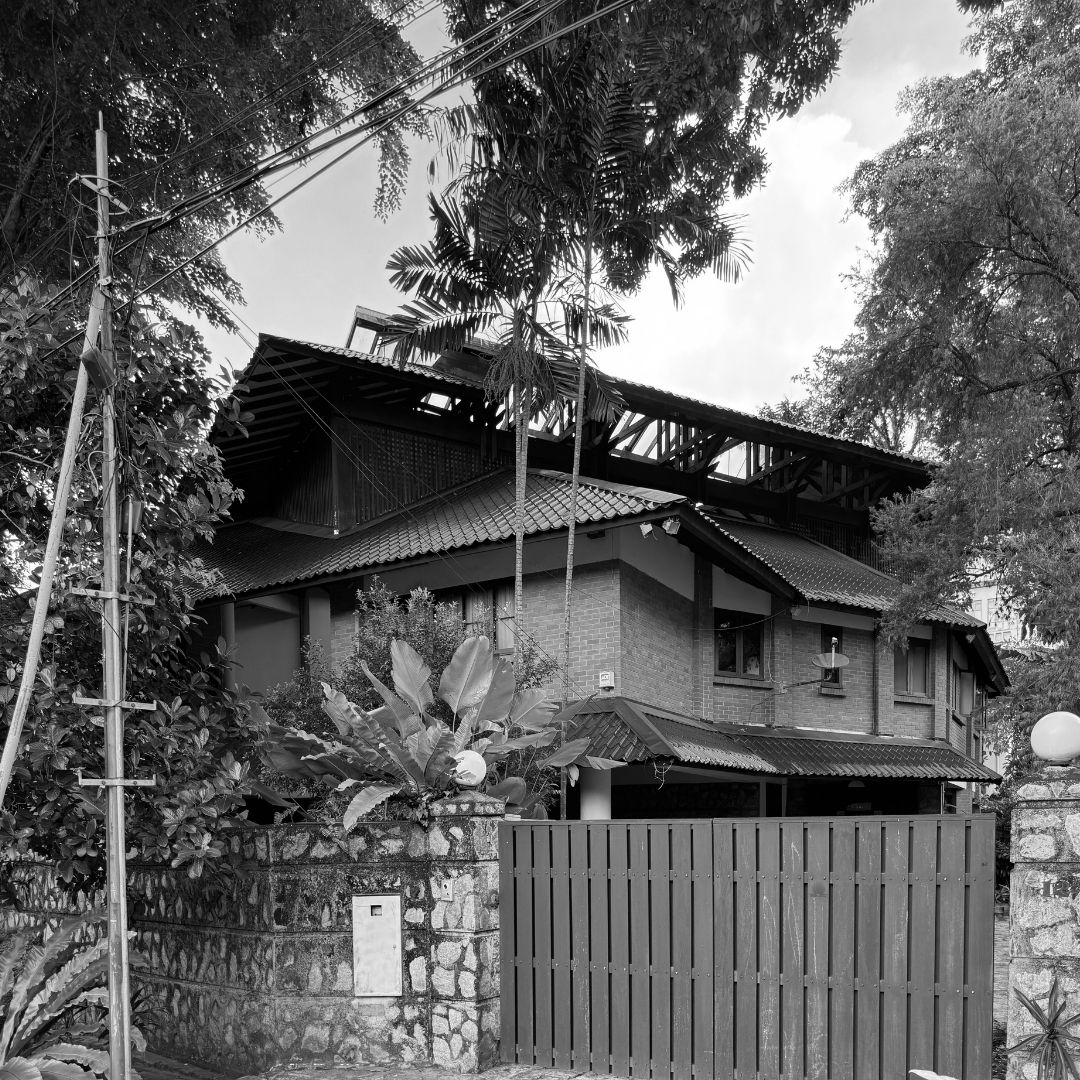
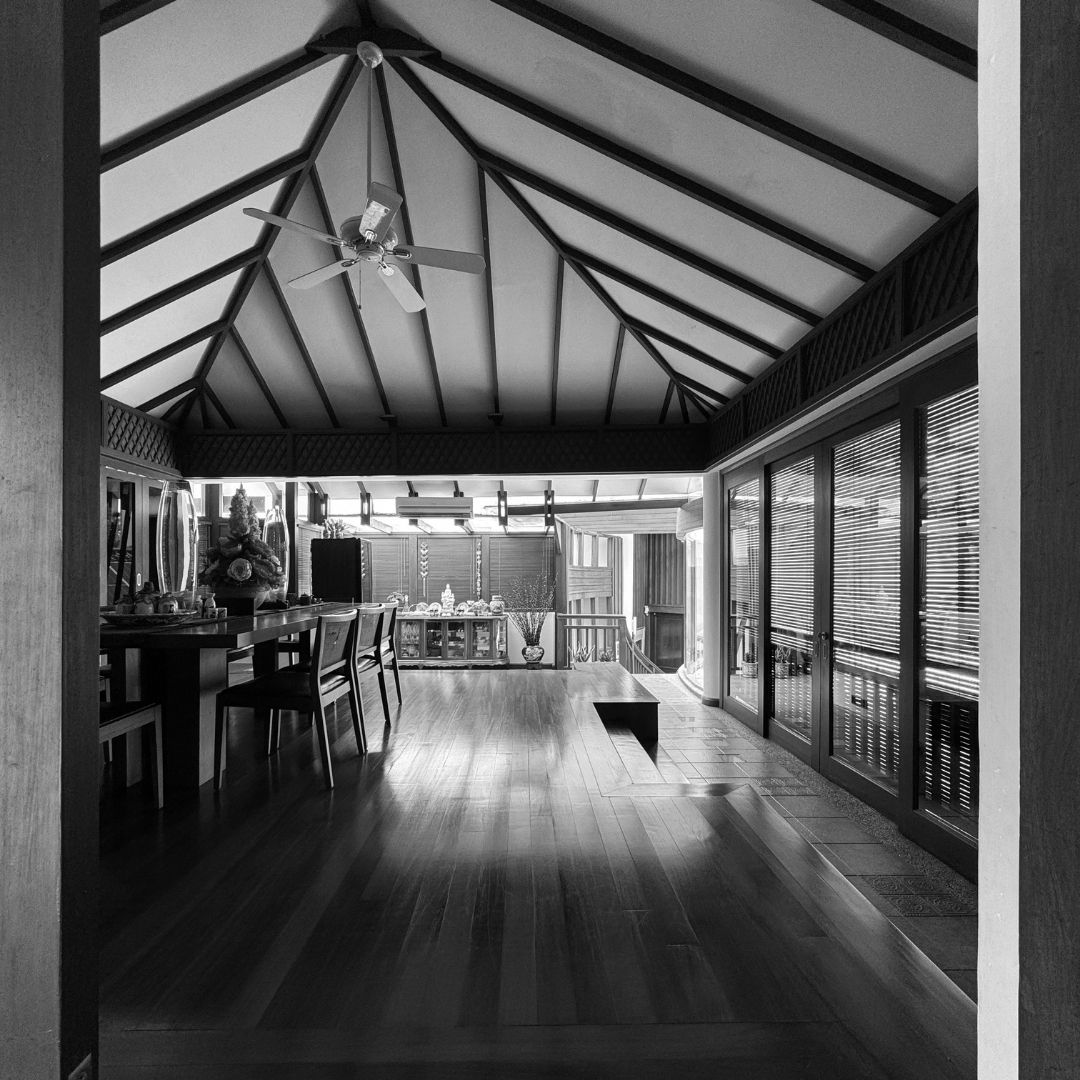
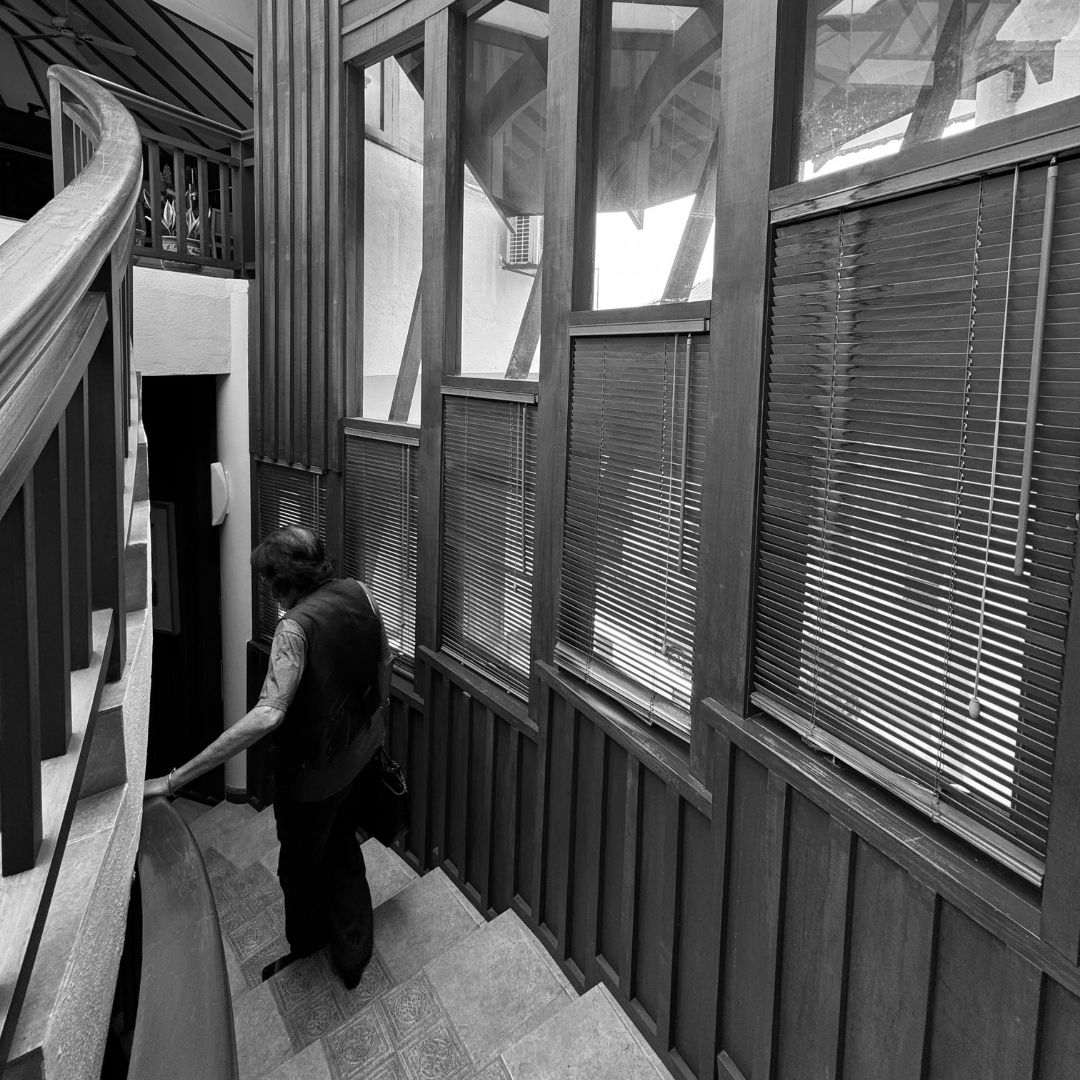
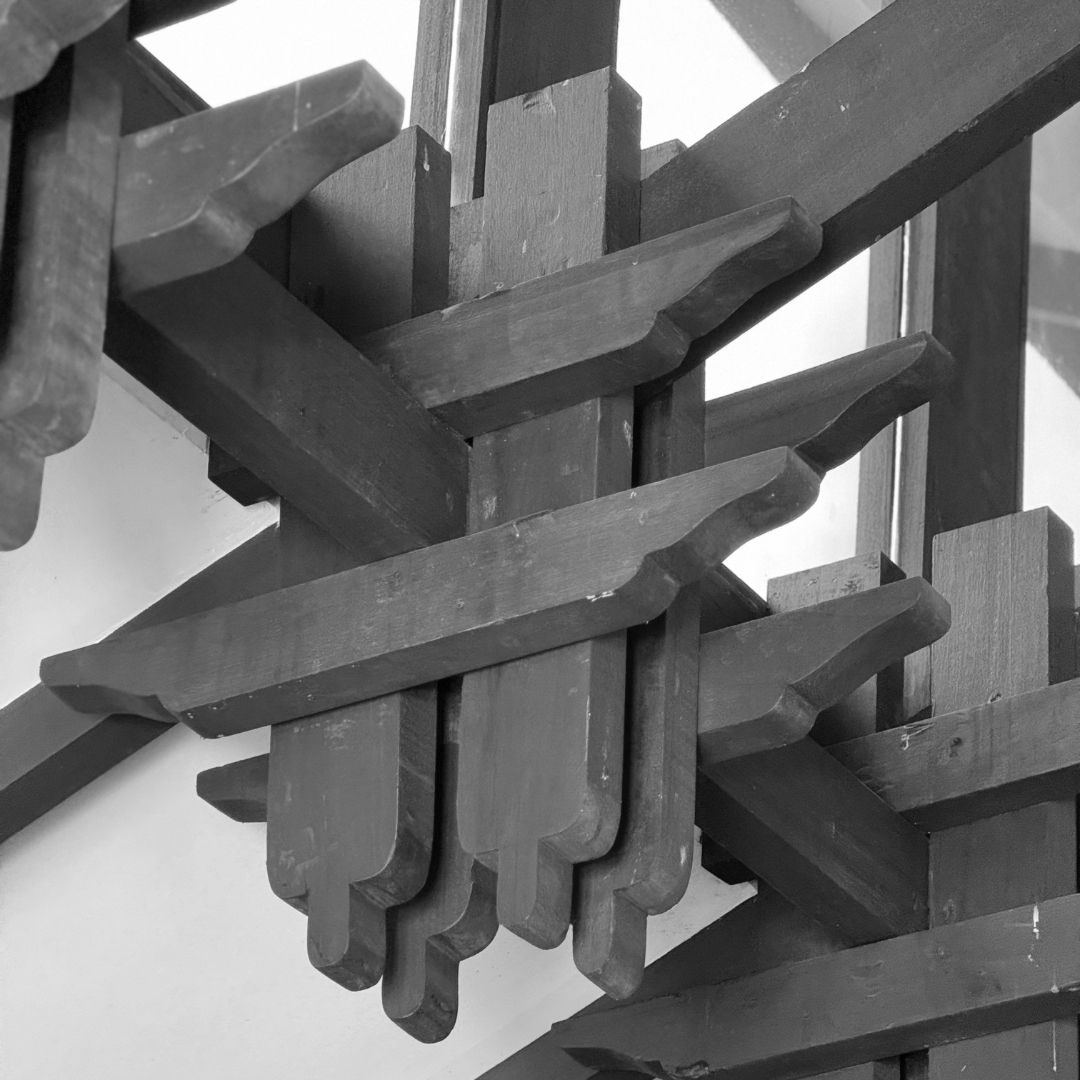
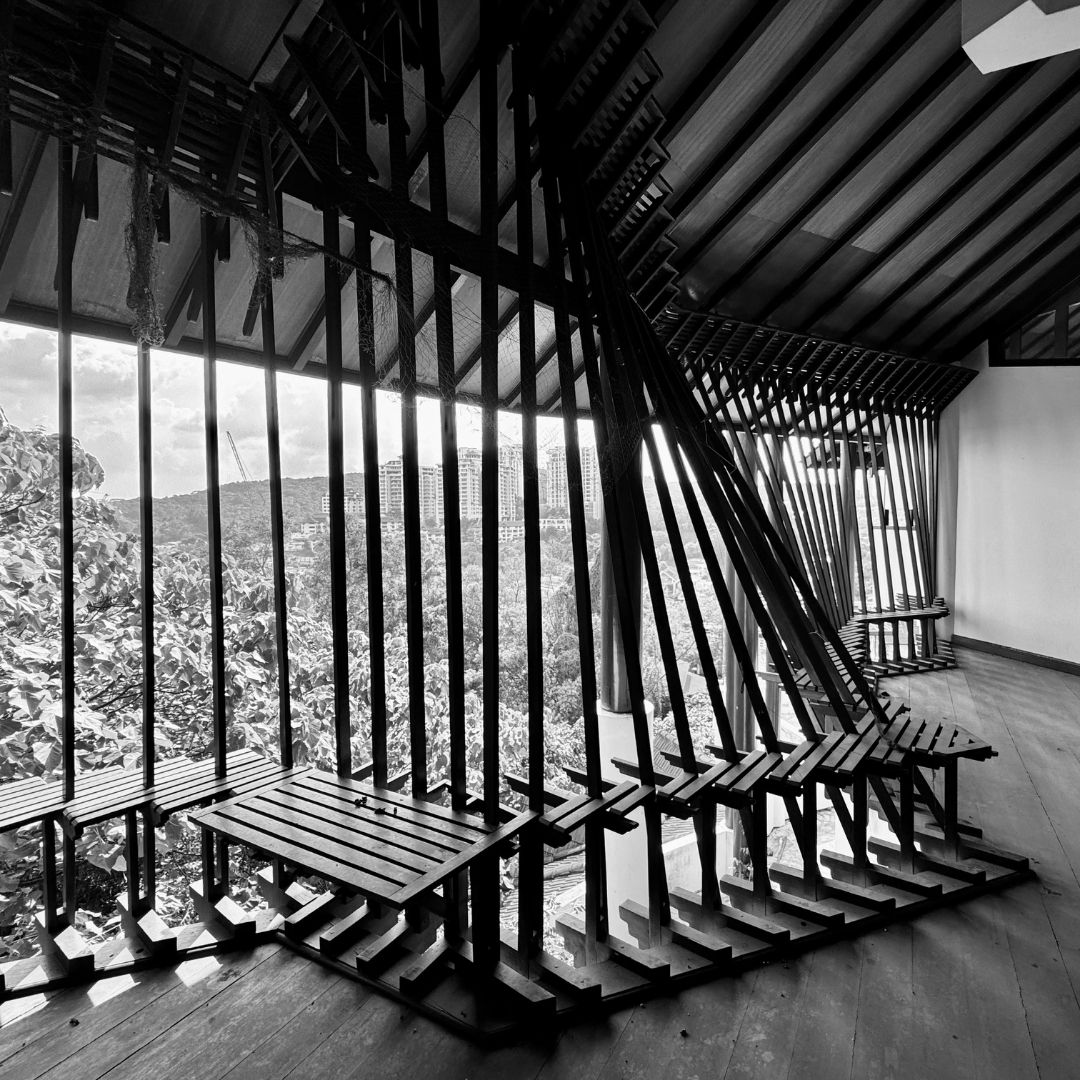
The houses made his name. A house for the Chiew family won the PAM House Award in 1984. The Schnyder house followed between 1986 and 1992. Then came the Salinger Residence in Kajang, south of Kuala Lumpur, completed in 1992 for Rudin and Munira Salinger. It was built entirely by hand by traditional Malay carpenters, with no machinery on site beyond a small cement mixer, in dense termite resistant timber under handmade roof tiles. The plan is 2 adjoining equilateral triangles on a hexagonal granite core, lifted on stilts and turned to catch the prevailing wind. In the 1996 to 1998 cycle it received the Aga Khan Award for Architecture. The jury wrote that high technology and energy depleting services can be renounced if sufficient craft and creativity are deployed. Beyond the houses his office built at a larger scale, Menara Prudential, Wisma Genting, the Awana resorts at Genting, Kijal and Porto Malai in Langkawi, the Penang Turf Club, Stella Maris, La Salle Sentul, and the Impiana Resort in Koh Samui, which took a PAM award in 2000.
He called what he did the architecture of humility, which involves culture, history, tradition, environment and people. In the tropics, he said, the natural elements are some of the principal factors that differentiate it from other regions. His buildings explode the wall, layer the roof, and let the floor plates read as separate things so that air moves through, a vocabulary he named the rites of the tropics, architecture without walls. He insisted on honesty in construction, and he said in public what many architects only said in private, that the country’s new architecture of glass and steel was losing its Malaysian identity and ignoring its climate. He once called the Kuala Lumpur monorail a white elephant.
He gave as much time to institutions as to buildings. In 1983 he was a founding member of Badan Warisan Malaysia, the heritage trust, and its first vice president. He was president of Friends of Heritage from 1989 to 1992 and president of Pertubuhan Akitek Malaysia from 1991 to 1993. He was a founding member of the World Association of Chinese Architects and convened the ARCASIA fellowship. He taught as an adjunct professor at Curtin University and the University of Tasmania and lectured across the world. The recognition came late and steadily, the SIA Getz Prize for emergent architecture in Asia in 2012, the PAM Gold Medal for a lifetime of service, and in 2021 a place among Asia’s most influential.
In 1970 he married Winnie Cheah, an educator and professional violinist who went on to found a string ensemble. Their daughter Wei-Ling founded the Wei-Ling Gallery in Kuala Lumpur. Their son is Cho-Wei. It was a house with music in it.
In October 2024 a Malaysian newspaper observed that at his age he could easily opt for full retirement. His answer was, don’t you know, architects never retire. In 2026 he flew to Jakarta to stand behind younger colleagues at their exhibition. He died on 28 September 2026, aged 82. Adrianta Aziz, speaking for the profession, said his architecture will continue to speak and his ideas will continue to inspire generations of architects.
He began at 5 by following his grandfather to a building site. At 82 he was still following younger architects to theirs. His grandfather renovated houses and built a bridge, and a 5 year old tagged along.
He designed the Indonesian Embassy in Kuala Lumpur in his first years back, in the 1970s. “Malaysia and Indonesia have never felt closer” has a 50 year old building behind it.
Acknowledgement
National and International Awards & Recognition
1984 | PAM House Award (Malaysia) – TY Chiew House, Kuala Lumpur, Malaysia
1985 | National Award for Architecture – Commonwealth Association Of Architects – Walian House, Kuala Lumpur, Malaysia.
1986 | PAM Architectural Award (Malaysia) – Eu House, Kuala Lumpur, Malaysia.
1989 | PAM Architectural Award (Malaysia) – Precima House, Kuala Lumpur, Malaysia
1989 |Commendation, Robert Mathew Architectural Award – Commonwealth Association of Architects
1991 | PAM Award (Malaysia) Honorary Mention – Walian House, Kuala Lumpur, Malaysia
1998 | The Aga Khan Award for Architectural Excellence – Salinger House, Selangor, Malaysia.
2000 | PAM Award for Single Residential Building – Sri Ananda House, Kuala Lumpur
2012 | SIA-GETZ Architecture Prize
2019 | PAM Gold Medal Award
Nomination
1983 | The Aga Khan Award – Quek House, Kuala Lumpur
1992 | The Aga Khan Award – ASPA Mosques, Pahang, Malaysia
1992 | The Aga Khan Award – Walian House, Kuala Lumpur
1992 | The Carlsberg Architectural Price in Copenhagen, Denmar
1994 | The Aga Khan Award – Salinger House, Selangor
1994 | The Aga Khan Award – Impiana Resort Cherating, Pahang
1994 | The Aga Khan Award – Walian House, Kuala Lumpur
2000 | The Aga Khan Award – ASPA Mosque of Pahang
2000 | The Aga Khan Award – Sometime Resort, Betong, Thailand

